

Interview Anja Lehmann, on 100 Years of Lufthansa
Lufthansa is celebrating a milestone this year that is rare in the aviation world: a century in the skies. What began on January 6, 1926, in Berlin with wooden aircraft and paper tickets has evolved one hundred years later into the heart of a global aviation group. Summit speaks extensively with Anja Lehmann (General Manager Sales Lufthansa Group Netherlands) about the pioneering spirit of the past, the massive logistical operation behind the new Allegris product, and the challenging course toward 2050.
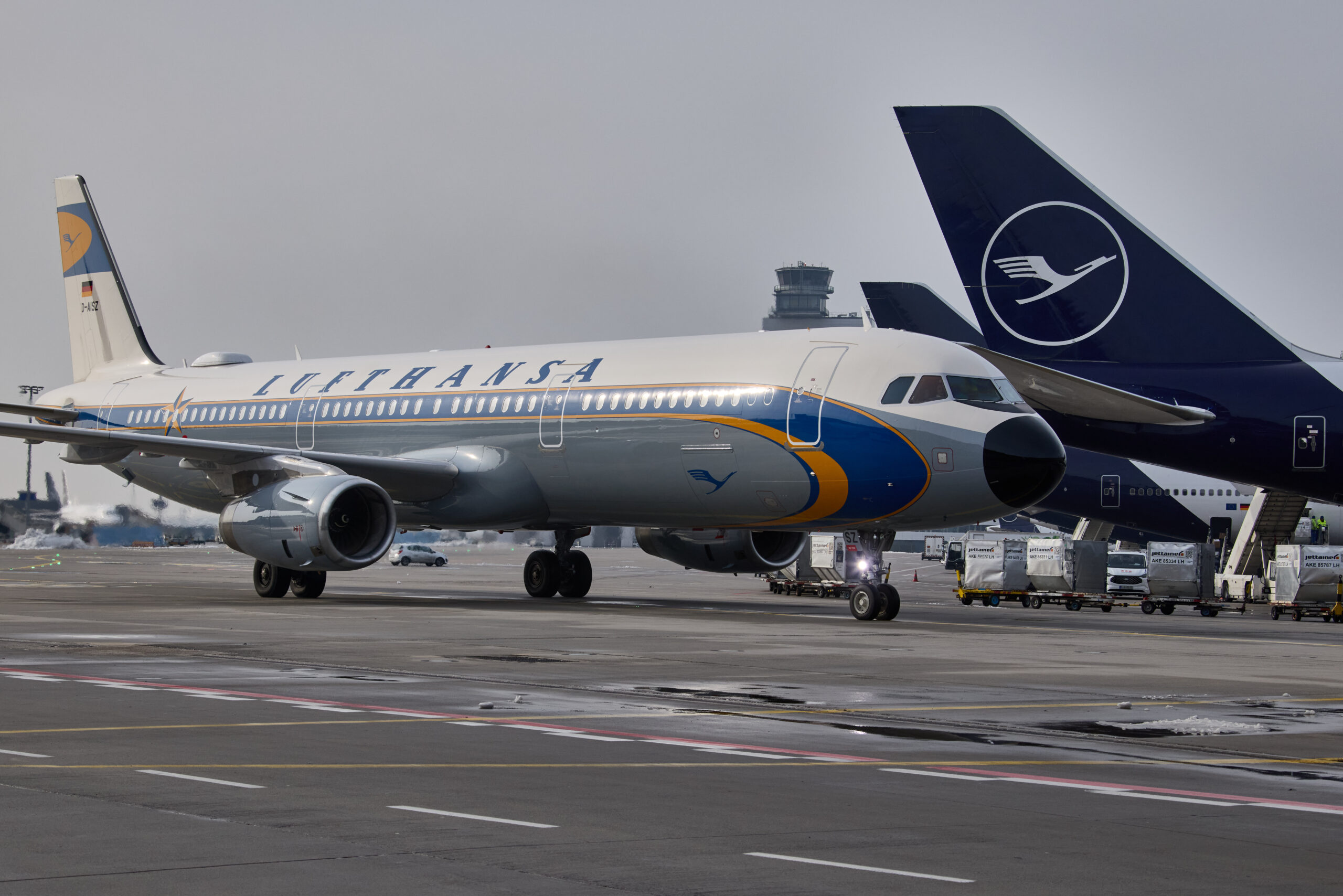
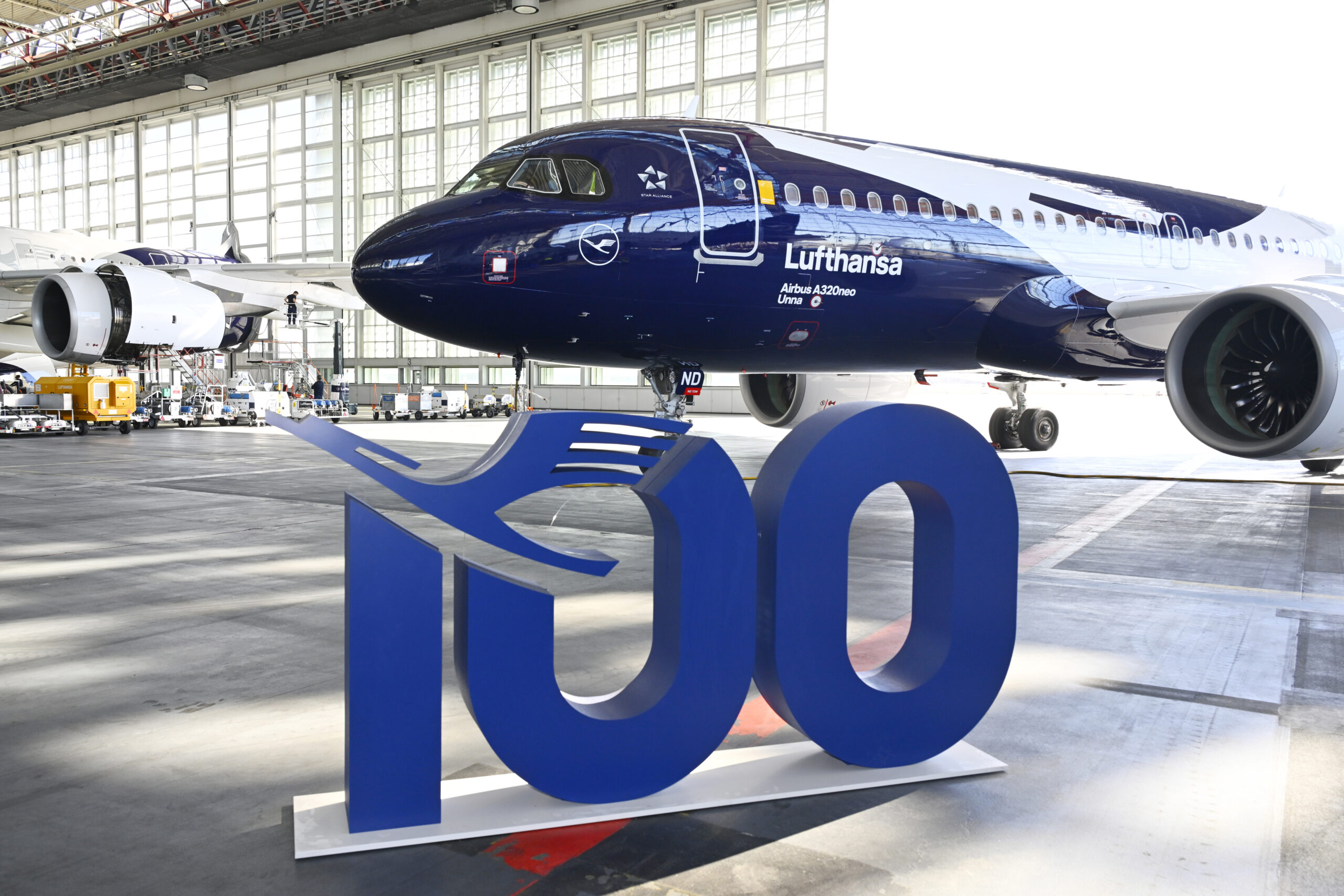
“When you look back at January 6, 1926, the day of the formal founding in Berlin, you truly realize the enormous leaps we have made. Only three months later, on April 6, the first aircraft flew from Berlin-Tempelhof to Zurich-Dübendorf. In those days, flying was pure adventure. Lufthansa was an absolute pioneer; we were already conducting night flights on routes to Venice and Moscow, and Lufthansa even flew toward Beijing with numerous stopovers. That courage and the drive to push boundaries are still in our DNA,” Lehmann begins at the very beginning. From the early days of the transition from propeller to jet engines, the current Lufthansa had a clear ambition. “The mission was clear early on: to build a modern, safe, and internationally oriented airline that would reconnect Germany with the world. We are celebrating that heritage this year with the ‘We Are The Journey’ campaign. We are bringing back iconic designs, including the Airbus A321 in the legendary ‘parabola design’ from the 1950s. At the time, that symbolized speed and futurism, and it is wonderful to see that design shining again on our most modern short-haul aircraft”.
The (R)evolution on Board
While nostalgia brings a smile to enthusiasts, the true focus for travel professionals lies in the massive product renewal currently underway. Lufthansa is investing billions in what Lehmann calls the “greatest transformation in the history of the company”. Central to this is Allegris, the new generation of cabins for long-haul flights.
“Flying is an experience, and we are now elevating that experience to a level of individualization we haven’t seen before,” Lehmann explains. “Take the Boeing 787-9 flying out of Frankfurt. Starting in April, Business Class passengers can choose from various seat options specifically tailored to their needs. Whether you want a suite for extra privacy or a seat with extra-long beds, the passenger is in control. It is a huge step forward, for which we received very positive feedback after the initial introduction on the A350 from Munich”. But the innovation doesn’t stop at the seats. Under the name “Project Fox,” the entire soft product is undergoing a metamorphosis. Lehmann: “This is a project that often remains under-highlighted but is crucial for the premium experience. We are renewing everything: from the tableware and pillows to the catering and amenity kits. The goal is for you to feel in every detail that you are on board a premium airline, whether you are in First, Business, Premium Economy, or Economy Class”.
Short Haul, Big Ambitions
The European fleet is not being overlooked either. Between 2025 and 2029, a large portion of the fleet will undergo a retrofit. “We have now equipped 38 Airbus A320 aircraft with completely new cabins,” says Lehmann. “For the passenger, this specifically means 60 percent more space in the overhead bins, faster USB ports, and holders for tablets or phones. Thanks to ergonomically designed seats, we have been able to create more legroom without sacrificing seats. It’s about a smarter utilization of space”.
The Dutch Market
For the Dutch travel agent, Lufthansa’s position in the Benelux is unique. Lehmann sees an interesting shift in the behavior of the Dutch traveler. “We notice that the Dutch are very pragmatic. Our connections from Amsterdam to the hubs in Frankfurt and Munich are naturally the core, but we also see a very clear growth in the use of other hubs in the group, such as Brussels, Vienna, and Zurich”. Lehmann recalls the challenging times at national airports. Whenever there is a disruption at the airport or high occupancy, some passengers divert to Düsseldorf or Brussels. “Business travelers, in particular, appreciate this flexibility. We are not just a German airline; we are a European group with airlines such as SWISS, Austrian, Brussels Airlines, and, newly added, ITA Airways, which together offer a worldwide and dense network. Nevertheless, our Dutch guests still prefer to depart from Schiphol”.
No Words, But Tons of Fuel
The conversation inevitably turns to the greatest challenge for the next century: sustainability. Lufthansa has set ambitious goals for itself: a net reduction of 50 percent by 2030 (compared to 2019) and reaching full Net Zero by 2050. “It is a subject much talked about, but we show it in the figures,” says Lehmann firmly. In 2024, the group consumed 9.17 million tons of fuel, a figure that must come down. “Our most important pillar is fleet renewal. Every time we replace an old aircraft with a hyper-modern Airbus A350 or Boeing 787, we directly save significant amounts of fuel and . Additionally, we are a driving force behind the use of SAF (Sustainable Aviation Fuel). Although global availability is still difficult, we already consumed 20,000 tons of SAF in 2024. That is a start and corresponds to 0.2 percent of our fuel consumption”. Every opportunity is also seized on the ground. “Take Reduced Engine Taxi-In. By taxiing to the gate on fewer engines, we save 2,750 tons of kerosene annually. That might sound like a detail in the grand total, but it shows that we are scrutinizing every part of the operation”.
Star Alliance and the Future
Lufthansa is also known as a co-founder of the Star Alliance. Lehmann emphasizes the importance of cooperation. “The alliance remains a crucial pillar. It offers our customers access to lounges, shared miles, and a seamless network that no single airline could provide alone. With new partners like ITA Airways, we are building an even stronger foundation for the world’s largest aviation alliance”. Crystal ball predictions are not part of aviation, but Lehmann does have a clear wish. “Aviation is an industry of emotion and connection. The past century was a journey full of challenges, but also of incredible innovation. My wish is that we maintain 그 pioneering spirit to make aviation not only more comfortable for future generations but, above all, more sustainable. The most beautiful chapters are yet to be written”.
LATEST NEWS
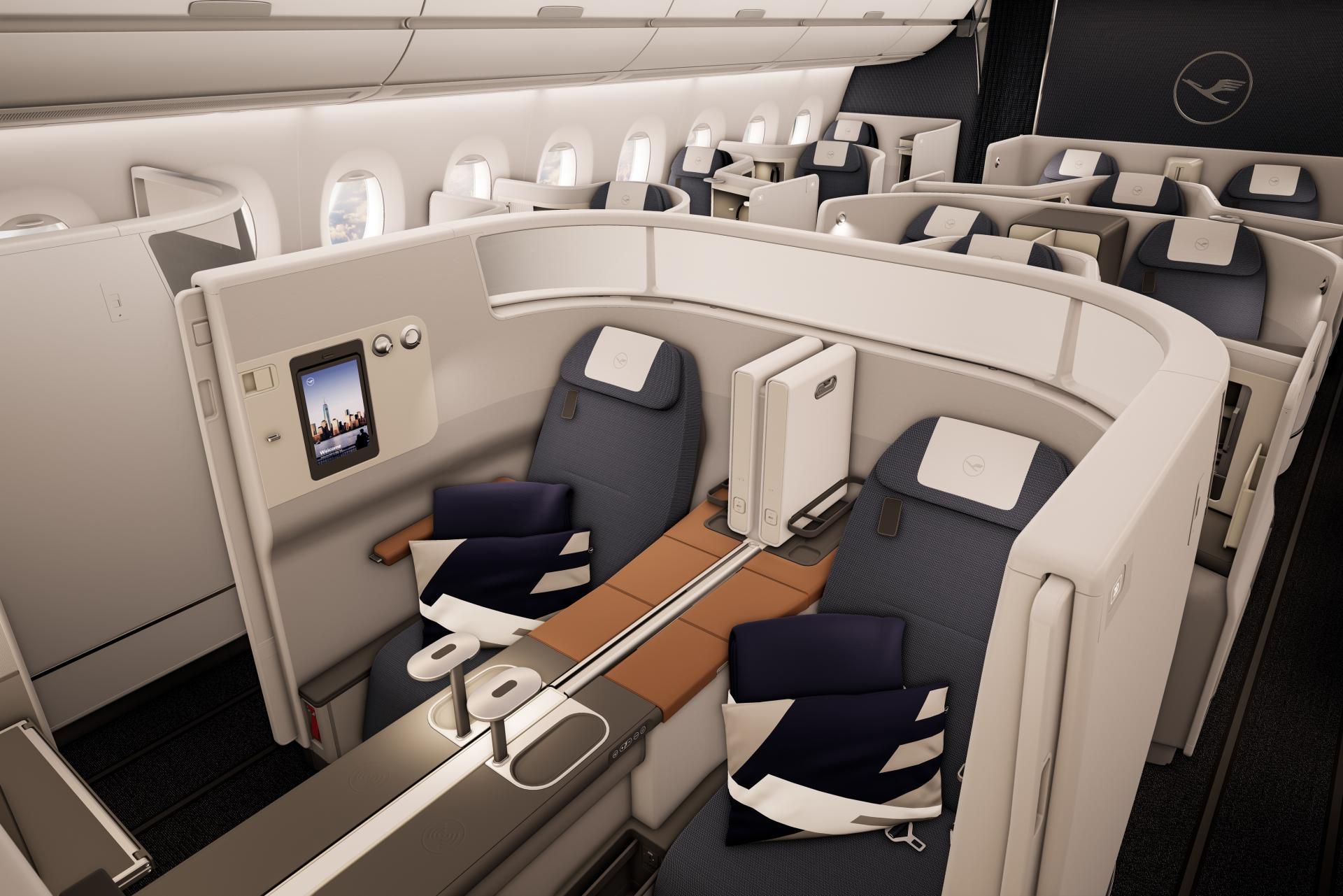
Lufthansa’s current fleet renewal is the most extensive in the company’s history, involving the replacement of approximately 38,000 seats worldwide. Central to this is the Allegris concept for long-haul travel. On a strategic level, the further integration of ITA Airways in 2026 is an important step for the group. The Italian airline is currently being incorporated into commercial structures and loyalty programs, making transfer procedures at hubs often comparable to those of the other airlines. This expansion goes hand in hand with accelerated fleet modernization.
